





Neon54 Withdrawal Time And What Shapes It
Picture this: you finish a session, hit "withdraw", and start refreshing your balance like it is a sport. Most players do that once - then they learn the timing depends on small choices made earlier, not luck.
In 2026, payout speed usually comes down to three things: how your account is verified, which method you pick, and whether your request triggers a routine review. That sounds vague, but it is actually practical - you can influence all three by setting up your cashier properly and keeping your details consistent.
If you treat the cashout as the last step of a clean process (deposit -> play -> request -> approval -> arrival), you avoid the common traps: mismatched names, half-finished profile details, and last-minute method changes.
The Two Clocks Players Confuse
Imagine you request a payout and then message support two hours later because nothing happened. Often the request is already in progress, but you are watching the wrong clock.
There is the platform-processing clock (approval and checks) and the method-delivery clock (when your bank, wallet, or provider posts the funds). The first clock is mostly about account readiness; the second is mostly about the payment rail you chose.
A quick habit helps: note when the request status changes, not just when the money arrives. That simple switch keeps expectations realistic and makes troubleshooting easier if something stalls.
Why Weekends And Cut-Offs Matter
Suppose you submit a cashout late on a Friday night. Many players assume everything runs 24/7 because the games do - then they are surprised when Monday feels like the real start.
Some payment rails batch transactions or rely on business-day processing, especially when banks are involved. Even when a platform approves quickly, the receiving side may post later.
If you want fewer surprises, aim for earlier requests and avoid changing details right before you withdraw. When you plan around cut-offs, you reduce the "it was instant yesterday" confusion.
How Method Choice Changes The Experience
Say you have two options ready: a card payout and an e-wallet. You pick the card because it is familiar, but the wallet would have been simpler for your situation.
Different methods have different friction points. Cards can involve extra issuer checks, while wallets may move faster after you have them verified. Bank transfers can be steady but sometimes slower because they touch more systems.
The smart approach is not chasing the "fastest" method in forums - it is choosing the method that matches your identity checks, currency, and how you like to manage your money.
Getting Your Cashier Ready Before You Deposit
Think of the cashier as your passport control. If it is messy, everything after it becomes slower, even if the games load instantly.
Start with basics: your name should match your payout method, your contact details should be current, and your chosen method should be added and confirmed before you put money in. Players often skip this, then discover they cannot use the method they expected at the end.
For Australia-based users, it is also worth checking that your preferred method is actually supported on your device and in your region. Availability can vary, and the smoothest path is the one you can complete without switching midway.

Neon54 Casino Withdrawal: From Request To Arrival
Imagine you have a winning streak, you set a cashout amount, and you want it to feel as clean as pressing a button. The reality is still straightforward, but it helps to know the steps so you do not misread a normal pause as a problem.
A typical flow looks like this: you open the cashier, select a method you have already used or verified, enter the amount, confirm, and then watch the request move through status stages. Those stages are where most "delays" live, because checks happen there.
Treat the request like a form submission, not a chat message. Entering the amount twice, canceling and resubmitting, or changing methods mid-review can restart parts of the process.
What Happens Right After You Click Confirm
Say you press confirm and see a pending status. Many players assume pending means "stuck", but pending often simply means "queued for review".
At this point, systems typically check consistency: account details, method eligibility, and whether the request matches normal patterns for your account. That is why keeping the same phone number, address format, and method matters.
If you need to change anything, do it before requesting - after requesting, changes can trigger extra checks because the platform needs to protect both you and itself.
When A Request Gets Slowed Down On Purpose
Picture a scenario where your cashout is larger than usual or your play pattern changed recently. It is common for platforms to apply additional review to protect accounts from fraud and to keep payments clean.
That review does not mean you did something wrong. It usually means the system wants a human or an extra automated layer to confirm the request is legitimate.
The best response is boring: do not spam multiple requests, do not try to route around the check with a new method, and keep your inbox available in case a document is requested.
Verification Without Drama
If you have ever had an account elsewhere paused for "one more document", you know the feeling. You just want to play, and now you are taking photos of paperwork.
On Neon54, as with most modern platforms, verification is easiest when you treat it like setup, not like a punishment at the end. Complete it early, keep your photos clear, and upload only what is requested.
A small but real tip: use the same spelling and formatting everywhere. If your name has multiple transliterations or your address can be written two ways, pick one and stay consistent across your profile and payment method.
The Most Common Mismatch That Triggers Checks
Imagine your payment method shows a nickname, but your profile shows your legal name. Or your bank statement uses initials while your account uses full middle names.
These tiny differences can trigger extra review because platforms need to be sure the money is going to you, not someone piggybacking on your account. This is especially important when you switch devices or log in from a new network.
Before you cash out, compare the visible name on your chosen method with your profile. If it does not match, fix it at the source rather than hoping the system ignores it.
Keeping Documents Private While Still Getting Approved
Suppose you are worried about sharing documents online. That is normal - nobody enjoys uploading sensitive details.
A practical compromise is to prepare clean scans in good light, submit through the in-app or in-account upload area, and avoid sending documents through casual channels like screenshots in chat. Store your files safely and delete temporary copies after the process.
If you are unsure what a request means, ask support to clarify which detail is missing instead of sending extra documents "just in case". Oversharing can slow things down because more items need review.
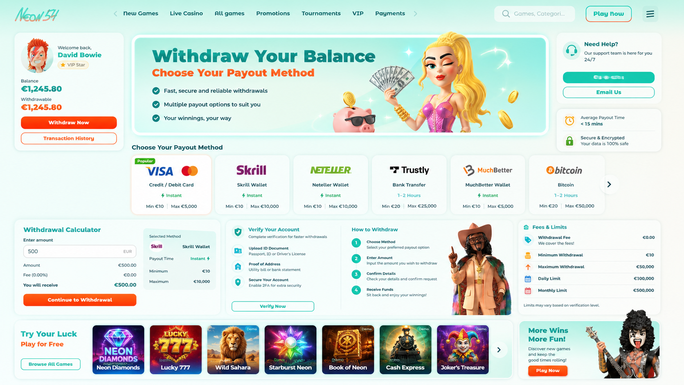
Fees, Limits, And Processing Notes You Can Control
Picture two players: one makes small, frequent withdrawals and the other waits and requests a larger amount less often. Even with the same method, their experience can feel different because limits and reviews are applied differently.
Most platforms use a mix of minimums, maximums, and step-up checks. The goal is to keep transactions safe and to prevent abuse, not to frustrate normal players - but you still need to plan around it.
A good habit is to set your own routine: decide your personal cashout threshold, keep a simple note of dates and amounts, and avoid switching currencies or methods midstream.
Table: Comparing Common Cashout Routes
Imagine you are choosing between speed, simplicity, and familiarity. This quick comparison helps you pick a route that fits how you actually manage money, not how people brag online.
Type of Method | Where Processing Usually Happens | Typical Friction Point | Best Fit Scenario |
|---|---|---|---|
Bank Transfer | Platform approval then bank posting | Business-day batching | You want predictable record-keeping |
Payment Card | Platform approval then issuer checks | Issuer declines or extra verification | You prefer the same instrument for deposits |
E-wallet | Platform approval then wallet crediting | Wallet account not fully verified | You want flexible spending and transfers |
Alternative Methods | Depends on provider flow | Provider-specific limits | You use a niche method and keep it consistent |
Currency Choices And Why They Affect Payouts
Suppose you deposit in one currency and request a payout in another because the option looks convenient. That switch can add conversion steps and sometimes extra checks.
Even when conversion is automatic, it can change what the receiving side expects. Some banks and providers are stricter about how they label incoming funds, which can affect posting speed.
If you want fewer moving parts, keep deposits and cashouts in the same currency when possible, and avoid last-minute switches right before requesting.
The "Clean History" Principle
Imagine you are trying to troubleshoot a delay, but you cannot remember which method you used last time or whether you canceled a request. That makes it harder for you and for support.
Keeping a clean history is simple: avoid canceling and re-requesting repeatedly, do not bounce between methods, and keep your profile unchanged while a request is pending.
When the system sees consistent behavior, it is less likely to flag you for manual review. Consistency is not exciting, but it is effective.
Troubleshooting And Support Without Spinning In Circles
Imagine you wake up, check your balance, and nothing changed. You feel the urge to spam live chat. Instead, take two minutes to gather the right details - it often cuts the resolution time in half.
Start with the basics: the method used, the request status, the date and approximate time you submitted, and whether you changed anything on your account recently. Then check your email and in-account notifications for verification prompts.
When you contact support, describe what you did in order, not just what you want. "I requested, it says pending, I did not change methods, and my documents are approved" is more useful than "Where is my money?"

Staying In Control While You Play
Suppose you are doing everything right, but your sessions are getting longer and your deposits are creeping up. Faster payouts will not fix that drift.
Neon54 is available to players in Australia where access is permitted and is intended for legal-age adults who follow applicable rules. Set limits before you start - deposit caps, session reminders, and timeouts - so the decision is made early.
If you catch yourself chasing losses, step away and use a longer break or self-exclusion tools instead of trying to "win back" a mood.
Making Cashouts Part Of A Responsible Routine
Imagine you treat a cashout as the finish line of a good session: you withdraw, log off, and come back later with a clear head.
That routine cuts impulsive redeposits and keeps your transaction history simpler, which can reduce unnecessary reviews.
Keep it practical - pick a schedule, avoid late-night decisions, and separate your play money from bills.